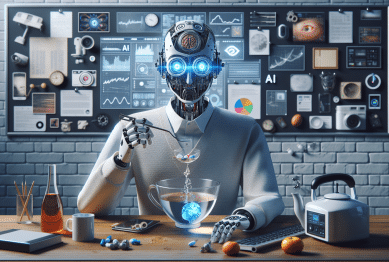
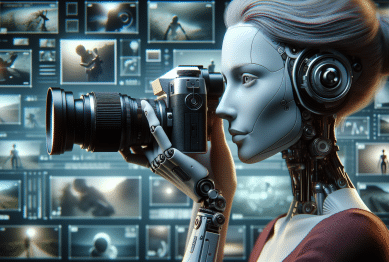
Artificial intelligence is shaping how society communicates, learns, and solves challenges. Discover practical insights into AI’s evolving influence, explore what it means for daily living and decision-making, and learn how these rapidly advancing technologies impact nearly every facet of modern life.

The Rise of Artificial Intelligence in Society
Artificial intelligence, often called AI, has quickly become a pivotal force in shaping society’s patterns, from transportation systems to banking and communication. Its capacity to analyze data, recognize patterns, and automate decisions is fundamentally changing routine tasks. As a result, many daily activities—such as shopping recommendations, language translation, and even smart navigation—now involve machine learning algorithms working behind the scenes. The omnipresence of AI isn’t just in specialized industries; it directly impacts how people interact with digital content and each other, making society more interconnected than ever before.
Over the past decade, the integration of advanced neural networks and improved data infrastructure has dramatically increased AI’s accuracy and efficiency. Enhanced computing power has allowed AI to process vast datasets swiftly. This unlocks opportunities for new apps, personal assistants, and more tailored online experiences. The impact of AI-driven innovation is evident when scheduling appointments, using voice commands to control devices, or searching for targeted solutions online. These advancements are not only boosting productivity but also refining how individuals engage with technology on a daily basis.
AI’s growing influence is also evident in sectors like healthcare and public safety, where predictive analytics can detect patterns earlier than any person could manage. For instance, AI is able to flag unusual spending in financial systems, providing early warnings that help prevent both fraud and loss. Such applications highlight how embedded AI is in safeguarding critical infrastructure and personal information. By automating repetitive or complex decision-making, AI is adding efficiency, enhancing reliability, and freeing up valuable human attention for higher-value tasks.
How AI Transforms Homes and Personal Devices
Smart homes have become synonymous with convenience, and AI technology is at the heart of this transformation. From adapting room temperatures to learning household routines, AI-powered devices are designed to optimize comfort and energy efficiency. Virtual assistants use speech recognition to answer questions, set reminders, and play music, seamlessly integrating into everyday life. These AI-enabled systems continuously adapt, drawing from individual preferences and usage data to deliver more relevant responses. The more someone interacts with an AI device, the better it gets at predicting needs and simplifying routines.
Wearable technology, such as fitness trackers and health monitors, also leverages the power of AI. These gadgets process sensor data to track heart rates, sleep cycles, and physical activities, providing personalized insights into overall wellness. Smartwatches now analyze notification patterns and suggest when to move, rest, or even meditate. By examining trends over time, AI-driven wearables empower users to make more informed decisions about health, exercise, and even stress management. This relationship between humans and technology grows stronger as AI algorithms become more sophisticated and adaptive.
Consumers frequently engage with recommendation engines on streaming services and e-commerce sites. These AI-driven systems use historical behavior and contextual clues to present shows, products, and articles that align with each user’s tastes. This tailored experience not only enhances satisfaction but also showcases machine learning’s effectiveness in delivering personalized content. The ability to refine suggestions over time sets AI apart from traditional algorithms—ultimately guiding users to content they might never have discovered otherwise.
Artificial Intelligence at Work: Boosting Productivity and Creativity
Modern workplaces increasingly depend on artificial intelligence to streamline processes and facilitate complex projects. Automated scheduling tools optimize meeting times, while chatbots quickly address common inquiries, freeing up human resources for more intricate tasks. Organizations are now using AI-powered analytics platforms to forecast market trends, assess risks, and pinpoint inefficiencies. This has transformed how professionals approach teamwork, data analysis, and decision support.
AI has also paved the way for innovative forms of creativity. Designers, engineers, and content creators regularly collaborate with generative algorithms to brainstorm ideas or automate repetitive tasks. In fields like architecture, for example, machine learning helps simulate new designs and visualize outcomes before physical prototypes are built. These capabilities shorten project timelines and can even uncover unexpected solutions to design challenges, expanding the boundaries of what teams can accomplish together.
The rise of intelligent automation means that employees can focus on high-value strategic work, rather than mundane data entry or administrative chores. AI-powered applications are improving everything from supply chain operations to customer service experiences, enhancing overall workplace efficiency. By reducing repetitive workload and helping mine deeper insights from business data, artificial intelligence is becoming a critical partner in both driving productivity and fostering innovation across a diverse range of industries.
Challenges and Ethical Questions Surrounding Artificial Intelligence
Despite its promise, AI’s rapid expansion raises numerous challenges, starting with concerns about data privacy and the security of sensitive information. Since machine learning often requires access to extensive user data, maintaining confidentiality and integrity is paramount. Ensuring that data is responsibly collected, stored, and used forms a significant part of the conversation about AI ethics. These issues highlight the responsibility organizations have to safeguard personal information and build public trust in new technologies.
Algorithmic bias is another prevalent concern, as AI systems may inadvertently perpetuate discrimination if trained on unbalanced or inaccurate datasets. To address this, researchers, policymakers, and developers are investing in fairness assessments, transparency initiatives, and inclusive design processes. By emphasizing ethical construction and regular auditing, technology leaders work to minimize unintended harms brought on by automation. As awareness grows, so does the pressure for regulatory frameworks capable of overseeing AI development and deployment, both locally and globally.
Some worry about AI’s impact on the future of work. As automation advances, certain roles may evolve or become obsolete, while others will likely emerge. Educational institutions and companies are responding with new skill-building programs, designed to help professionals adapt and remain competitive in an AI-driven landscape. By promoting lifelong learning and flexibility, leaders hope to ensure economic stability and equitable access to the opportunities that artificial intelligence brings.
AI in Healthcare: Advancements and Opportunities
Artificial intelligence is unlocking progress in healthcare, offering new methods for diagnosing diseases, predicting patient outcomes, and personalizing treatments. Machine learning models sift through huge medical datasets to spot subtle indicators—sometimes before symptoms even arise. For example, AI can help radiologists interpret medical images with high precision, assisting with early detection and improving treatment planning. These technologies are especially valuable in fields where data complexity outpaces human processing capacity.
Personalized medicine, made more accessible with the help of AI, tailors healthcare to individual genetic profiles and lifestyles. Algorithms predict which therapies are likeliest to succeed or avoid adverse reactions. Additionally, advanced chatbots and remote monitoring tools allow patients to report symptoms and receive immediate feedback, reducing unnecessary clinic visits and helping spot emergencies earlier. This shift is enhancing both the patient experience and overall system efficiency, especially in rural and remote communities.
Despite these breakthroughs, the deployment of AI in healthcare must be approached with caution. There are risks regarding the consistency and interpretability of machine learning models, so transparency, oversight, and thorough validation are critical. Collaborations between clinicians, technologists, and regulatory authorities ensure responsible innovation, expand access to quality care, and help build a foundation of trust in health AI solutions for years to come.
Education and Artificial Intelligence: Shaping the Future of Learning
Education is transforming thanks to artificial intelligence, which opens doors to highly personalized and adaptive learning experiences. AI-powered platforms can assess students’ strengths and gaps in real time, tailoring content and feedback to match unique learning styles and paces. Adaptive quizzes, smart tutors, and multimedia resources help foster engagement and curiosity. This evolution means that classrooms are no longer bound by one-size-fits-all approaches; technology empowers learners with tools that encourage deeper exploration of subject matter.
Teachers benefit from intelligent automation too. Grading, administrative organization, and curriculum planning can be streamlined by software that recognizes common errors and trends within student work. AI also makes it easier to identify learners who may need extra help, allowing educators to intervene swiftly and effectively. As classrooms become more digitally connected, these smart technologies facilitate collaborative projects, global exchange, and innovative methods of instruction, opening up new opportunities for creativity and problem-solving at every level.
There are important questions about inclusivity and equity to consider, however. Ensuring that all students have access to AI-driven educational resources remains a priority among policymakers and school leaders. Guiding principles focused on fairness, transparency, and accessibility will shape how artificial intelligence is adopted in academic settings. As these technologies mature, their potential to close achievement gaps and expand lifelong learning opportunities continues to grow.
References
1. National Institute of Standards and Technology. (n.d.). Artificial Intelligence. Retrieved from https://www.nist.gov/artificial-intelligence
2. Harvard School of Public Health. (n.d.). Artificial Intelligence in Healthcare. Retrieved from https://www.hsph.harvard.edu/artificial-intelligence-healthcare/
3. European Commission. (n.d.). Ethics guidelines for trustworthy AI. Retrieved from https://digital-strategy.ec.europa.eu/en/library/ethics-guidelines-trustworthy-ai
4. U.S. Department of Education, Office of Educational Technology. (n.d.). Artificial Intelligence and the Future of Teaching and Learning. Retrieved from https://tech.ed.gov/ai/
5. World Health Organization. (n.d.). Ethics and governance of artificial intelligence for health. Retrieved from https://www.who.int/publications/i/item/9789240029200
6. Brookings Institution. (n.d.). How artificial intelligence is transforming the world. Retrieved from https://www.brookings.edu/research/how-artificial-intelligence-is-transforming-the-world/




 Why You Might Rethink Urban Apartment Investments