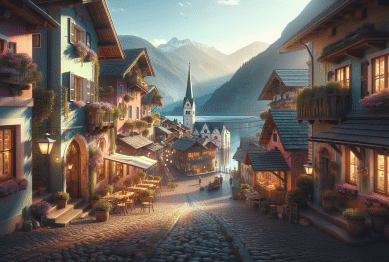
Discover what draws curious travelers to lesser-known European cities. This guide reveals how these hidden gems offer unique experiences, authentic cultures, and travel opportunities different from the usual tourist routes, all while maintaining accessibility and charm for your next adventure.

Seeking Adventure in Unfamiliar Places
Not every memorable journey begins in a famous capital city. Many travelers look for fresh perspectives and unexpected joy by heading to offbeat European cities. These lesser-known destinations offer vibrant neighborhoods, distinctive cuisine, and hidden stories waiting to be explored. Instead of jostling with crowds near landmark sights, you can experience an authentic version of local life, from morning markets to quiet café corners. Certain places stand out because they mix historic character with modern vibrancy, inviting you to wander without strict itineraries or overwhelming tourist infrastructure.
Travelers often find that venturing away from more familiar stops leads to serendipitous moments. Sometimes, it’s the undiscovered museums or family-run restaurants that leave the deepest impressions. In cities not burdened by mass tourism, there’s greater opportunity to interact with locals and participate in community gatherings or seasonal festivals. Exploring less-visited destinations also supports a more sustainable travel approach, helping diluting the impacts of overtourism. It’s a win for conscious explorers who value both cultural exchange and environmental mindfulness.
For those drawn to the art of discovery, these off-the-beaten-path locales frequently provide good value and fewer crowds. You can take your time admiring architectural treasures or natural scenery. Transportation usually remains convenient, with connections by train or regional bus making it easy to include smaller cities into a larger European journey. Step off the usual path and a different world opens up, often just a train ride away from major hubs.
Experiencing Local Cultures Beyond Stereotypes
Europe’s overlooked cities display their own unique blend of traditions, languages, and culinary delights. In a lesser-known destination, the culture isn’t shaped primarily for tourism. You might come across local artisans at work, open-air concerts in public squares, or seasonal food stalls serving time-honored recipes. Authentic experiences like these are often centered around community and daily life rather than curated performances or attractions. It’s here that cultural curiosity is most richly rewarded, as visitors are drawn into the real rhythm of a place.
Food is often the gateway to a region’s character, and dining out in an underexplored European city can be especially memorable. Instead of menus tailored to international tastes, many eateries take pride in regional specialties made from locally sourced ingredients. From rustic bakeries to lively markets, visitors are invited to sample dishes that carry centuries of cultural history. The journey becomes a sensory celebration, with tastes, sounds, and scents distinct from what’s found in more commercial areas.
Social interactions in smaller cities sometimes feel more personal and welcoming. Locals are often eager to share their favorite sites, stories, and traditions. Participating in a town celebration or regional event allows travelers to glimpse deep-rooted customs. Such moments often forge the strongest memories, providing a dimensional understanding of the place that guidebooks rarely capture. These encounters foster a sense of belonging and cultural exchange that enriches the entire travel experience.
Affordability and Value for Travelers
Visiting less-publicized European destinations can offer more affordable travel opportunities. Accommodation, dining, and even museum entry tend to be more budget-friendly compared to larger tourist hubs. While affordability is certainly appealing, the true value lies in getting more personalized service and a wider selection of authentic choices. Travelers can enjoy higher quality lodgings, often in beautifully restored historic buildings, at rates that feel accessible. This makes offbeat cities ideal for longer stays on limited budgets.
Some cities feature free or inexpensive guided walking tours run by locals or community organizations. These experiences provide the added benefit of insider perspectives on architecture, history, and neighborhood stories. Museums in less-crowded areas may offer open days or discounted admission periodically, encouraging deeper exploration of local art and culture. Furthermore, public transportation networks, bike rentals, and city passes sometimes come at a lower cost, making it easy and affordable to move between attractions.
Dining and shopping can be more wallet-friendly in smaller markets and local shops, where visitors can browse regional products and handmade crafts at reasonable prices. The overall travel experience feels less rushed and more immersive, letting you savor each moment, meal, or interaction. Value in travel is as much about the richness of your experience as it is about price — these cities often excel in delivering both, making them a wise choice for travelers mindful of both quality and cost.
Planning Your Itinerary for Hidden Gems
A successful trip to an offbeat city starts with careful planning and research. Since information about these destinations isn’t always front-and-center, savvy travelers explore official tourism sites, travel forums, and regional transportation guides to map out routes and must-see spots. Useful tools such as train route finders and local event calendars can help coordinate travel dates with cultural happenings or festivals. Flexibility is key, as smaller cities often surprise with last-minute opportunities or seasonal events not found in larger guides.
Itineraries that blend exploration and downtime give plenty of space to appreciate the atmosphere. Rather than racing from attraction to attraction, it’s often more rewarding to wander neighborhoods, visit farmers’ markets, or take a midday break in a peaceful park. Some travelers choose to use city passes, which allow access to a combination of museums, historic sites, and local transportation for a single fee. This can simplify logistics and encourage visitors to explore beyond the main square.
Many hidden gem cities are situated along major rail corridors or near popular regions but are overlooked by large crowds. Including one or two offbeat destinations in a longer European journey isn’t just enriching; it’s practical and often leads to the discovery of favorite new places. These journeys reward the curious and adventurous, allowing a freedom to create a truly personal travel narrative away from the predictable path.
Health, Safety, and Sustainable Choices
Travelers increasingly value destinations that combine a sense of safety and well-being with environmental consciousness. Exploring less-visited cities can naturally provide more space and less congestion, benefiting general health for visitors and locals alike. Many cities have focused on creating welcoming, walkable environments, investing in public parks and green spaces. These features help promote physical activity and relaxation in urban settings.
Sustainability is increasingly prioritized by local communities aiming to preserve both cultural heritage and the environment. Tourism boards in many offbeat destinations provide resources highlighting eco-friendly accommodations and responsible travel tips. Visitors are encouraged to support local businesses, reduce waste, and participate in conservation initiatives that benefit both people and place. This mindful approach to travel aligns with global efforts to reduce tourism’s environmental impact and foster positive community outcomes.
Health and safety guidelines vary by region, so travelers benefit by familiarizing themselves with local recommendations before departure. Official tourism and municipal websites typically share up-to-date information on public health standards, emergency services, and ways to access medical care. Taking these precautions helps ensure peace of mind and creates the right conditions for an enjoyable and enriching travel experience anywhere in Europe.
Connecting With Local Communities
The real heart of an offbeat European city is often found in its people. Participating in community life, even briefly, gives travelers insight into local values and daily rhythms. Activities like volunteering for a day, attending a regional workshop, or exploring collaborative art projects promote connection and a sense of purpose. These meaningful encounters can create lasting memories and foster deeper understanding between visitors and hosts.
Community-based tourism initiatives are growing across Europe, allowing travelers to engage directly with local guides or take part in family-run excursions. Such experiences highlight aspects of daily life rarely visible on standard tours. Whether learning to bake bread, joining in a town celebration, or listening to local musicians, travelers discover stories and wisdom that deepen the travel experience. These programs typically ensure that economic benefits remain within the community, reinforcing positive outcomes for residents.
Cultural exchange is a two-way street. As visitors immerse themselves in local traditions and customs, they also share their own perspectives and experiences. Local markets, co-ops, and enrichment activities welcome diverse visitors and foster a mutual respect. This spirit of openness and cooperation helps make travel rewarding for everyone, nurturing global citizenship and building bridges across cultures.
References
1. European Travel Commission. (n.d.). Off the beaten track: Experiences in lesser-known destinations. Retrieved from https://www.etc-corporate.org/reports/off-the-beaten-track-2022
2. UNESCO. (n.d.). Culture: Urban Development. Retrieved from https://en.unesco.org/themes/culture-sustainable-urban-development
3. Sustainable Travel International. (n.d.). Responsible Travel Tips. Retrieved from https://sustainabletravel.org/tips/for-travelers/
4. Eurostat. (n.d.). Urban tourism and sustainability. Retrieved from https://ec.europa.eu/eurostat/statistics-explained/index.php?title=Tourism_and_sustainable_development
5. OECD Tourism Trends and Policies. (2020). Encouraging sustainable and inclusive tourism. Retrieved from https://www.oecd.org/cfe/tourism/oecd-tourism-trends-and-policies-2020-6b47b985-en.htm
6. European Network for Accessible Tourism. (n.d.). Inclusive Destinations. Retrieved from https://www.accessibletourism.org/





 Why You’ll See AI Everywhere in Daily Life Soon