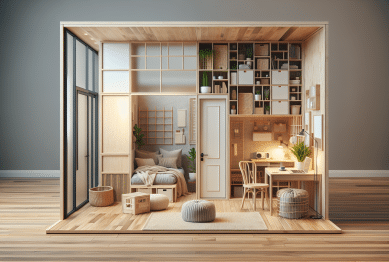
Ever wondered why so many are drawn to minimalist living? This guide explores the real impact of a minimalist lifestyle on wellbeing, mental clarity, and even your wallet—while exploring steps people often take to start the journey toward a simpler, uncluttered home.

Understanding the Rise of Minimalist Living
Minimalist living has surfaced as a prominent lifestyle trend, captivating those searching for personal growth and reduced stress. The idea centers around keeping only what adds true value to daily life—whether that’s objects, habits, or even relationships. This isn’t about deprivation; rather, it’s about intentionality. People drawn to this path often speak about increased mental freedom. How can simply owning fewer things spark such change? Less clutter means less distraction, making it easier to focus on what really matters. Minimalism is now discussed widely in lifestyle circles, and it influences design, fashion, productivity strategies, and the very way people view success.
The movement’s roots can be traced to various philosophical and cultural traditions, from ancient Stoicism to Japanese Zen. These philosophies all recognize the importance of simplicity. For modern individuals, especially those feeling overwhelmed by digital and material overload, the minimalist lifestyle offers a sense of reprieve. There’s no single right way to pursue minimalism—some go as far as owning just a handful of items, while others simply declutter their closets. The rise of minimalist influencers and documentaries has helped spread the idea, highlighting stories of personal transformation that come with simplifying one’s surroundings.
Behind the popularity of minimalism lies a growing awareness of consumption’s impact on mental health and the environment. Fewer possessions mean more space, but also more savings and sometimes more sustainable choices. Research points to links between a simpler living environment and lower anxiety, especially for those prone to feeling overwhelmed. Whether in small apartments or large suburban homes, many are discovering that less really can mean more. The appeal of minimalist living lies not only in what’s removed, but also in the clarity and calm that fills the void.
The Psychology Behind Decluttering
Psychological studies show a well-organized, tidy space can promote feelings of control and reduce stress. Anxiety often grows when faced with mess and excess; every pile of papers or clothes represents one more decision waiting to be made. Minimalist living, by reducing such decisions, frees up mental capacity. This is why routines such as capsule wardrobes and digital decluttering are gaining fanbases—each serves to streamline daily choices. For many, simplicity brings relief from ‘decision fatigue’ and makes routines more peaceful.
For individuals aiming to boost focus or improve mood, simplifying physical surroundings can be a powerful first step. Research from leading mental health organizations suggests that orderly environments may support healthier habits, including better sleep and lower irritability. As homes become sanctuaries rather than sources of chaos, people report greater satisfaction with day-to-day life. Even small acts of decluttering—a clean desk, an empty email inbox—act as tangible signals that change is possible. Plenty of people credit minimalist transitions with sparking deeper shifts in their relationships and outlook.
It’s important to recognize that minimalism isn’t “one size fits all.” The psychological rewards are often shaped by intention, not just by the amount of stuff discarded. Experts suggest starting where stress is highest: for some, the most cluttered closet holds the key; for others, digital overload is the real challenge. What matters is the act of choosing—actively deciding what stays and what goes. As decision fatigue lessens, confidence tends to grow. Many minimalists echo a sense of agency that spills into their work, creativity, and sense of personal identity.
Minimalist Design Choices for Everyday Spaces
The minimalist aesthetic has taken over modern architecture and interior design, characterized by open spaces, neutral palettes, and functional furniture. These design choices aren’t only about looks—there’s an underlying philosophy of ‘form follows function.’ Each object is chosen for utility, sometimes multipurpose, making daily life less complicated. Open shelving, hidden storage, sleek lines, and unobtrusive colors are hallmarks of minimalist homes. Many report these settings help them feel calm, focused, and even more creative, as visual clutter is minimized.
Incorporating minimalist design doesn’t require a hefty budget. Everyday adjustments like letting in more natural light, using mirrors to enhance space, or repurposing old furniture align with core minimalist principles. Designers emphasize that less decoration often allows a few meaningful pieces to shine—maybe a beloved chair or a family photo. In this style, each item left out is intentional, carrying personal or practical value. Thoughtful design, with function and intentionality at its heart, shapes environments that support mindful living and simplicity.
Minimalist design also accommodates sustainability—choosing fewer, higher-quality items can mean less waste long-term. Consumers gravitate towards eco-friendly, durable materials such as bamboo, recycled glass, or organic cotton. Flexible layouts and multi-functional pieces mean spaces work harder, reducing the urge for more possession accumulation. People often note that minimalist homes are easier to clean and maintain, saving time and energy. Ultimately, minimalist design serves as a backdrop for daily life, not a distraction from it.
Financial Savings and Environmental Impact
Minimalist living isn’t just good for the mind; it can help the wallet, too. Budget-conscious individuals adopt minimalist shopping habits—buy less, but choose better. Less impulsive spending on home goods, fashion, or tech means more room in the budget for what truly matters, such as travel or personal growth experiences. Tracking expenses is easier when purchases are intentional and infrequent. This financial clarity sometimes leads to larger lifestyle shifts, such as downsizing or taking up simpler hobbies that don’t require elaborate equipment.
Beyond personal finance, minimalist living aligns with eco-friendly values. Owning less translates to lower energy needs, less packaging waste, and fewer discarded items. Choosing durable, repairable goods—rather than disposable ones—relieves pressure on global supply chains and landfills. Recycling remains an important strategy, but minimalism urges prevention, not just responsible disposal. According to sustainability experts, embracing minimalist principles could help reduce household waste and carbon footprints significantly over time.
Some advocates of minimalist living choose to extend their approach to shared resources—carpooling, borrowing, or community tool libraries. This community-minded angle increases the positive impact—saving money, building local connections, and lowering everyone’s environmental burden. Minimalist living often shifts thinking from “what can I own?” to “what do I need to live well?” For many, the ultimate reward is a sense of lightness, knowing each possession serves a purpose and each purchase is an active choice. This awareness of consumption connects personal satisfaction with environmental stewardship.
Steps to Start a Minimalist Lifestyle
Shifting to a minimalist lifestyle doesn’t require drastic or immediate changes. The first step often involves identifying what brings real value or happiness and gradually reducing everything else. Many people start with a single area—the kitchen, the wardrobe—and build momentum through small victories. There’s value in celebrating each cleared drawer and remembering that minimalism is a process, not a destination. The goal is to remove what drains energy or causes stress, not to meet a rigid standard.
Creating sustainable habits is essential for lasting change. That might involve regular decluttering sessions, organizing by categories (such as clothing or paperwork), or using the “one in, one out” rule for new purchases. Minimalist advocates suggest tracking what items are actually used over a set period—anything untouched might be ready for donation or recycling. As decluttering becomes habitual, decision-making grows easier and letting go feels more natural. Resources by nonprofits and designers provide helpful checklists and motivational stories to keep momentum strong.
Finally, minimalist living reaches its deepest potential when it extends beyond physical spaces. Mindful consumption—being conscious about digital, social, or even informational inputs—brings clarity to everyday experiences. Some people set up routines to unplug, limiting screen time or practicing meditation. Minimalism, then, isn’t just about spaces. It’s about building frameworks that nurture a calm, purposeful mindset for long-term wellbeing. The journey can start anywhere, and its benefits—calm, focus, and renewed energy—tend to ripple outwards.
What Minimalist Living Means for Wellbeing
Many report that minimalist living brings a sense of calm to busy lives. Studies suggest that when people spend less time managing possessions, there’s more space—mentally and physically—for meaningful activities. Whether it’s more time with loved ones, a creative project, or just peaceful solitude, the focus shifts to experiences that enrich rather than overwhelm. These choices can renew not only spaces but also relationships and priorities.
The wellbeing benefits aren’t limited to adults. Minimalist living environments can support healthier routines for children, too. Simple play areas, fewer distractions, and established routines foster independence, creativity, and emotional regulation. Many parents adopting minimalist values notice children naturally gravitating towards imaginative play and less screen dependence. Social scientists argue that communities embracing minimalist practices tend to foster stronger connections—people gather for shared meals rather than collecting objects, talk more, and help each other solve problems efficiently.
Above all, minimalism encourages mindful living. The freedom it brings isn’t just a reduction of clutter but an increase in clarity—what matters, what nurtures, what deserves attention. Minimalist living doesn’t demand perfection or adherence to strict rules; it invites exploration and experimentation. For those feeling drawn to a simpler path, the first step could be as easy as asking what matters most—and letting that guide each next decision. The resulting satisfaction can be surprisingly rich and lasting.
References
1. American Psychological Association. (n.d.). Declutter Your Space to Improve Mental Health. Retrieved from https://www.apa.org/topics/mental-health/physical-environment
2. U.S. Environmental Protection Agency. (n.d.). Reduce, Reuse, Recycle. Retrieved from https://www.epa.gov/recycle
3. National Alliance on Mental Illness. (n.d.). Creating a Healthy Home Environment. Retrieved from https://www.nami.org/Your-Journey/Individuals-with-Mental-Illness/Home-and-Environment
4. Mayo Clinic. (n.d.). Stress Management: Simple Ways to Relieve Stress. Retrieved from https://www.mayoclinic.org/healthy-lifestyle/stress-management/in-depth/stress-relief/art-20044456
5. National Association of Productivity and Organizing Professionals. (n.d.). Minimalism and Organization. Retrieved from https://www.napo.net/page/minimalism
6. Harvard T.H. Chan School of Public Health. (n.d.). Simple Steps to Organizing Your Home and Life. Retrieved from https://www.hsph.harvard.edu/news/hsph-in-the-news/simple-steps-to-organizing-your-home-and-life/



 You Might Rethink Vacation Habits After Reading This