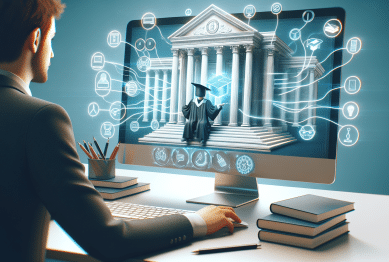
Curious if online learning options can actually boost success or change education for good? Discover practical insights on digital classrooms, flexibility, costs, hidden challenges, and proven benefits for students and professionals in this detailed, reader-focused investigation.

The Modern Shift Toward Online Learning
Over the past decade, online learning has transformed the experience of education for millions of people globally. The convenience of digital classrooms, coupled with a dramatic increase in available topics, means traditional in-person models are no longer the only choice. Learners from all walks of life have been exploring this shift, and the trend shows no signs of fading. Whether studying for a new qualification or enhancing professional skills, more individuals gravitate toward flexible, web-based opportunities. This transition isn’t just about technology; it’s altering how educators deliver content and how students engage with it.
Why has this change become so popular? Flexibility plays a massive role. Online courses let students learn anytime, anywhere, fitting around work or family commitments. Institutions are investing in advanced learning management systems to create interactive and accessible resources. At the same time, public and private organizations are building vast libraries of open educational content. Even for people living in rural or remote areas, online learning offers a bridge to opportunities that were once out of reach. The result? More inclusive and diversified education on a global scale.
It’s remarkable that today, digital education caters to everyone from high school students to adult learners seeking continuing education. The growth of self-paced coursework and virtual classroom experiences invites curiosity about how students adapt and what outcomes they achieve. As digital learning environments evolve, so does our understanding of the potential for educational transformation. Real stories and emerging data suggest online platforms are not just a trend—they are shaping the future of learning and access.
Exploring Flexibility and Accessibility in Online Education
For many, flexible scheduling remains one of the strongest appeals of remote learning. Learners can juggle classes, work, and home life without rigid timetables. Parents, caregivers, and people with demanding schedules can pursue further education that would otherwise be impossible. Notably, this education model levels the playing field for non-traditional students. Those who once struggled to find time for personal growth now have resources within reach, at any hour and location. The structure empowers people to shape their unique learning journeys—often increasing motivation and engagement along the way.
Accessibility takes this transformation a step further. People living with disabilities or health challenges can access materials at their own pace. Interactive assignments, recorded lectures, and multi-modal content mean lessons aren’t lost when a class can’t be attended live. Closed-captioned videos, transcripts, and accessible design features reflect an expanding focus on inclusive education. With these tools, learners face fewer barriers and experience higher levels of participation. The shift builds a more equitable educational landscape, particularly for those who felt sidelined in traditional environments.
Universities and online course providers now partner to widen access and improve digital infrastructure worldwide. Many organizations actively fund internet connectivity initiatives for underserved communities, making sure online learning platforms are more than just theory. These joint efforts lay the groundwork for high-quality content that reaches the broadest audience possible. As technical solutions mature, a wider range of people gains the ability to pursue dreams previously out of reach, regardless of location or circumstance. The new wave of education is truly about opening doors—often, wide open.
Financial Impact and Affordability of Online Programs
The discussion around online learning often includes questions about cost and value. Many people turn to digital classrooms searching for affordable education. Fees for virtual courses are sometimes lower than in-person equivalents, especially when learners avoid expenses for accommodation, commuting, or printed materials. Institutions offering financial aid or grants for digital learners further close the gap. Affordability, combined with flexibility, creates a powerful draw for students at all life stages. It isn’t only about saving money—cost-effective models empower more people to access opportunities once reserved for the few.
Are free courses too good to be true? Not always. Accredited organizations, public resources, and even government agencies offer open educational content in fields ranging from computer science to language studies. These free or low-cost programs can help learners acquire job-ready skills or enrich their knowledge without incurring debt. Programs like OpenCourseWare and scholarships for online students are a practical way to sample new topics or deepen understanding before committing to a credential. When leveraged strategically, these resources help ambitious individuals shape their futures and prepare for career changes.
It’s important, however, to consider the broader context of affordability. Online learning platforms sometimes offer pricing models that can catch the unwary—subscription fees, certification costs, or extra charges for exam proctoring may arise. Carefully comparing programs and reading user reviews can clarify realistic cost expectations. Many universities are transparent about fee structures and support options, making it easier to judge true value. Those who carefully weigh costs against outcomes tend to make well-informed decisions, putting them in control of their educational investments.
The Role of Self-Motivation and Discipline in Online Study
Self-driven learning has always been a cornerstone of education, but its role intensifies in online environments. With no peers physically present and instructors interacting mainly through screens, students must embrace responsibility for their schedules. This can be liberating or overwhelming, depending on temperament and life situation. People who thrive on independence find digital learning offers unmatched freedom to move at their own pace. Assignment deadlines and collaborative projects are still common, but the onus falls squarely on each learner to manage time effectively.
Motivation can dip when external accountability is minimal. Staying engaged often requires students to foster habits like setting study goals, tracking progress, and reaching out for help when needed. Many platforms address this by creating virtual communities: peer forums, group assignments, and interactive sessions foster connections across geographies. Encouragement and support, even when virtual, can drive persistence and confidence. Student services and online tutors further boost motivation levels, especially when learners face difficulties or lack background in certain topics.
Discipline becomes a learned skill. Some learners discover new strengths as they cultivate routines around coursework, balancing competing demands from work and family. However, others may struggle with distractions at home or find it difficult to maintain consistent focus. Recognizing early signs of disengagement—and proactively seeking help—can make all the difference. Supportive resources, such as time-management guides and productivity apps, are widely available through schools and online support communities. As individuals develop these abilities, they often report growing independence and improved confidence in their academic journeys.
How Online Education Shapes Career Paths and Skills
In today’s employment landscape, skills evolve rapidly. Online courses and microcredentials allow individuals to update abilities and keep pace with shifting demands. Job seekers and working professionals use web-based programs to build competitive resumes, often in high-demand fields like technology, marketing, and healthcare. Digital learning also introduces learners to international perspectives and broader professional networks. Employers increasingly recognize the value of relevant online certifications and training when evaluating potential hires. The result? More paths open up for advancement or career change outside of traditional degree routes.
Beyond technical knowledge, online education fosters soft skills essential to personal and career development. Problem-solving, adaptability, self-motivation, and digital literacy come to the forefront in web-based classrooms. These are skills for life, not just the workplace. Interactive course formats, group discussions, and real-time feedback allow people to refine communication and teamwork aptitudes remotely. As hiring managers pay attention to holistic skill profiles, graduates of online programs often stand out for their resourcefulness and ability to navigate unfamiliar environments.
Online education empowers exploration of new fields without significant upfront financial commitments. Curious about data analytics, coding, or health administration? Accessible entry points let people “test drive” different disciplines and gather a feel for what fits. Learners can pivot as interests change, building a personalized educational journey aligned with long-term aspirations. Flexibility in both pace and content makes it easier to respond quickly to evolving market trends. These advantages encourage lifelong learning, creative thinking, and adaptability—qualities in high demand among today’s employers and industries.
Potential Barriers and Solutions in Digital Learning Environments
Despite the promises of online education, barriers remain for many. Reliable internet access is still out of reach in some rural or low-income regions. Students may lack necessary hardware, software, or private space for study. Initiatives by schools and nonprofit organizations, such as device loan programs and free public Wi-Fi, help address these issues—but more work is needed. Access gaps remind us that true equality in digital learning requires cross-sector cooperation, continued public investment, and creative solutions that bridge digital divides.
Building digital literacy is a related challenge. Students and teachers navigating online learning for the first time may find interfaces, platforms, or file submission processes confusing. Training, onboarding resources, and accessible help desks can improve confidence and reduce frustration. Some educators now specialize in designing effective e-learning experiences, crafting courses that support a range of learning styles and technical abilities. When schools invest in professional development and platform usability, both faculty and students report better outcomes and satisfaction.
The final concern is social connection. Online spaces can sometimes feel isolating, missing the impromptu interactions of physical campuses. Recognizing this, institutions are building virtual lounges, synchronous discussion sessions, and digital mentorship networks. These efforts recreate some of the “human touch” of in-person learning. The smartest programs strike a balance: they combine the flexibility of online education with meaningful opportunities for community building and real-time engagement.
References
1. Allen, I. E., & Seaman, J. (2017). Digital Learning Compass: Distance Education Enrollment Report. Retrieved from https://onlinelearningsurvey.com/reports/digtiallearningcompassenrollment2017.pdf
2. U.S. Department of Education, Office of Educational Technology. (n.d.). Reimagining the Role of Technology in Education. Retrieved from https://tech.ed.gov/files/2017/01/NETP17.pdf
3. Moore, M. G., Dickson-Deane, C., & Galyen, K. (2011). E-Learning, Online Learning, and Distance Learning Environments: Are They the Same? Retrieved from https://files.eric.ed.gov/fulltext/EJ918889.pdf
4. UNESCO. (n.d.). Open Educational Resources. Retrieved from https://en.unesco.org/themes/building-knowledge-societies/oer
5. Educause. (2020). 7 Things You Should Know About Accessibility in Online Education. Retrieved from https://library.educause.edu/resources/2020/2/7-things-you-should-know-about-accessibility-in-online-education
6. World Economic Forum. (2020). The COVID-19 pandemic has changed education forever. Retrieved from https://www.weforum.org/agenda/2020/04/coronavirus-education-global-covid19-online-digital-learning/


 You’ll Want to See These Hidden European Destinations