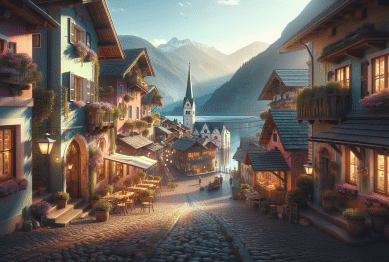
Ready to explore Europe beyond the typical tourist spots? Discover lesser-known destinations, expert travel tips, and ways to make your journey unforgettable. This guide covers local treasures, budget strategies, and cultural highlights to inspire your next great European adventure while keeping your travels practical and rewarding.

Why Travelers Seek Hidden European Gems
Many seasoned explorers eventually look past famous cities like Paris and Rome. The growing interest in hidden European destinations is inspired by a desire to escape the crowds and uncover unique stories behind less-traveled places. These locations often provide more authentic experiences, with hospitality that feels genuine and landscapes untouched by over-tourism. When you aim to travel off the beaten path, you’re likely to come across small villages, lesser-known coasts, and captivating historical sites where local culture still flourishes. These regions, sometimes overlooked by mainstream guides, offer a sense of discovery that’s increasingly in demand among curious travelers. The value of these destination choices is enhanced when they result in memorable experiences distinct from typical vacation packages or well-trodden city tours. Seeking hidden gems is an adventure in itself because you never know what unexpected delight is waiting just around the corner.
Exploring under-the-radar European towns and regions can also increase travel satisfaction by opening up budget-friendly lodging, dining, and activity options. Smaller towns tend to have fewer international visitors, so prices may reflect the local economy rather than high tourist demand. Travelers enjoy more meaningful interactions when language barriers make way for shared laughter and helpful gestures. These rare moments become highlights, especially when guides or hosts share local secrets. The culinary offerings can be more regional, reflecting generations of craft and tradition, rather than tailored to international palates. There’s a growing body of travel advice suggesting that searching for hidden European destinations isn’t just about saving money; it’s about enriching the soul and deepening your appreciation of the continent’s diversity (Source: https://www.europarl.europa.eu/news/en).
Sustainable tourism has entered the conversation as more travelers recognize their impact on heavily visited locations. Many popular European cities now grapple with overtourism, which strains services and can diminish the traveler experience. By choosing less-visited destinations, responsible tourists help support local economies and reduce environmental stress on famous landmarks. Towns eager to preserve their heritage welcome these travelers and often go out of their way to make visits special, creating a mutually beneficial relationship. This approach to travel aligns with an increasing interest in cultural immersion—meeting locals, joining festivals, trying crafts, and participating in authentic rural life. That’s why both novice and expert travelers alike are searching for guides to help them find the true hidden gems of Europe.
Top Lesser-Known European Spots to Consider
Europe is dotted with destinations that remain surprisingly under the radar. Piran in Slovenia, with its Venetian-inspired old town, offers sunset views and fresh seafood in a tranquil Adriatic setting. Far from major airports, the Albanian Riviera awes with blue waters, stone villages, and affordable prices. The French region of Auvergne seduces visitors with volcanoes, cheese markets, and medieval art, but without the throngs found in Paris or Provence. While many travelers dream of Santorini, Sifnos and Folegandros (other Cycladic islands) are renowned by insiders for their hiking paths and charming harbors. It is rewarding to travel outside the obvious, finding cultural richness and natural splendor that few travelers have seen (Source: https://www.lonelyplanet.com/europe).
Hidden European destinations are often easier to reach than most imagine, thanks to an expanding network of trains, budget airlines, and local buses. Places such as Český Krumlov in the Czech Republic offer postcard-perfect castles and winding rivers, accessible from Prague within hours. Gjirokastër in Albania features Ottoman architecture and unique mountain cuisine, an atmospheric retreat for those venturing off the main roads. For lake lovers, the Italian Dolomites boast serene villages like Castelrotto and Lago di Braies, where scenery and local life go hand in hand. Slow-travel enthusiasts find these places ideal for extended stays, which provide time to connect with their surroundings, taste local produce, and join community celebrations. It’s common to come across music festivals, food markets, or traditional fairs that bring these small towns to vibrant life.
Curiosity often rewards those who ask locals for advice. In many hidden European destinations, the most memorable sites are not listed in guidebooks. Locals may guide visitors to secret waterfalls, family-run bakeries, or scenic cycling routes away from the main squares. The joy of uncovering such places is part of what drives increased Google searches for keywords like ‘secret European towns’ or ‘underrated European travel destinations.’ Whether you are interested in mountain retreats, coastal escapes, or poetic urban corners, Europe’s offbeat paths offer something for every adventurer. Exploring them may also contribute positively to regional development, as tourism revenue supports community initiatives and preservation projects.
Smart Tips for Budget-Friendly European Adventures
Budget-smart travel is increasingly important as more people look to stretch their vacation savings without sacrificing quality. Booking accommodation directly through local guesthouses or using reputable short-term rental platforms can save money, especially in lesser-known destinations. Many rural areas and small cities have community-run hostels or family pensions that provide comfort and local flavor for a fraction of the price found in tourist centers. Flexible travel dates allow you to take advantage of lower prices outside peak season. Google flights and train apps help identify discounted travel options, while traveling by night train can combine transportation and lodging costs.
Food can quickly become a costly part of any trip, but choosing local eateries and markets makes for affordable and immersive experiences. Regional dishes often cost less and offer a true taste of place, such as hearty Hungarian stews or Portuguese petiscos. Packing light and using carry-on luggage with multi-functional items can also reduce fees and headaches. For families, seeking out complimentary museum days or public parks delivers value while creating meaningful experiences. Many hidden European destinations host seasonal festivals or fairs with free admission; these are perfect opportunities for cultural immersion without extra expense (Source: https://ec.europa.eu).
Another smart strategy for affordable travel is using city tourism cards or group discounts. These passes, available in many small European towns, often cover museum entries, public transport, and sometimes include guided walking tours. Researching ahead for local special offers can yield delightful surprises, such as inclusive culinary tastings, outdoor concerts, or guided nature walks. Utilizing digital travel communities and booking sites is key, but don’t overlook the benefits of showing up and talking to locals. Genuine recommendations on where to eat, sleep, or explore can sometimes lead to the most authentic (and budget-conscious) travel moments, as echoed across travel forums and cultural blogs.
Immersive Cultural Experiences Beyond Major Cities
Cultural exploration thrives outside Europe’s major cities. In rural France or Catalonia, workshops on cheese making or pottery draw visitors eager to learn from artisans. Traditional events, such as May Day celebrations in Estonia or Saint Lucia’s Day in Sweden, offer a glimpse into ancient customs and community spirit. Local guides, often eager to share family legends and secret recipes, bring European folklore to life in a way that big city tours rarely can. Sometimes, you’ll find historic reenactments, outdoor concerts, or language classes hosted by community centers with open doors for travelers in the know.
Some of the continent’s most memorable festivals happen every year in towns barely marked on the map. For example, Poland’s Lajkonik Festival and the light shows in Turku, Finland, are bright reminders that culture is strong even in places far from capital cities. Volunteering opportunities—such as helping with olive harvest in Greece or grape picking in Austria—add an interactive and meaningful twist to European travel. In these environments, visitors learn traditional skills and often share meals and stories with locals, gaining lifelong memories and fostering a deeper sense of connection to place (Source: https://www.visitfinland.com).
For those seeking art, nature, and history, Europe’s lesser-known destinations offer photo-worthy sites and fascinating museums. Open-air museums, rural galleries, and folk festivals provide a direct link to heritage and local identity. Some towns have self-guided heritage trails marked by plaques or QR codes, immersing travelers in stories stretching back centuries. Many visitors find that stepping away from crowded capitals, where entry fees can be high and lines long, opens the door to cultural experiences that are smaller in scale but richer in detail and authenticity. This approach delivers an intimate view of Europe’s diverse traditions, far from the tourist hustle.
Nature Escapes and Adventure in Europe’s Secret Corners
Nature lovers and adventurers often seek wild European spaces away from major tourist routes. The Tara National Park in Serbia surprises hikers with dramatic canyons and a sense of untouched wilderness, while Romania’s Apuseni Mountains call to cavers and mountain bikers. Lake Ohrid, straddling North Macedonia and Albania, features crystal water, endemic wildlife, and cliffside monasteries—a tranquil paradise for those craving a backdrop far from crowded resorts. These kinds of destinations promise not just beauty but an invigorating sense of discovery for every traveler who wants to experience Europe’s quieter side (Source: https://www.nationalparks.org).
Eco-friendly travel options are blooming in these off-the-beaten-path spots. Community-run campsites, eco-lodges, and agritourism retreats make it easy to sleep under the stars or on working farms, supporting conservation efforts and local economies. Kayaking, horseback riding, and slow-cycling tours are offered by many of these small towns, often guided by residents who know every curve of the land. For those interested in photography or wildlife, birdwatching in the wetlands of the Danube Delta or bear-tracking in Slovakia’s Carpathians adds excitement to slow-paced travel in natural settings.
Many secret European nature escapes blend relaxation with adventure in surprising ways. Participate in a herbal foraging tour in Sweden, a guided walk through Scotland’s wild highlands, or a stargazing night in a Spanish biosphere reserve. These immersive programs are sometimes run by environmental nonprofits that share practical conservation information and foster a deeper sense of responsibility among visitors. The opportunity to unplug, breathe clean air, and connect with the land offers both wellness and renewal for adventurous spirits—an experience many describe as authentic European travel at its finest (Source: https://ec.europa.eu/environment/ecoap/).
Planning and Researching Your Unique European Trip
Smart research makes exploring hidden European destinations straightforward and enjoyable. Start by reading regional blogs or tourism bureau websites, which often include up-to-date festival dates, community guesthouse listings, and transit tips. Connect with digital forums focused on slow travel or responsible tourism, where first-hand reviews and off-grid itineraries abound. Google Search and Maps are vital tools: zoom in and scan for tiny landmarks, train stations, hiking routes, and local farms that might not show up in mainstream travel guides. The joy of trip planning often lies in these little discoveries that others overlook.
For travelers with eco-friendly goals, consulting nonprofit and governmental resources can point the way to nature reserves or sustainable lodgings. Online translation tools, digital phrasebooks, and language learning apps help foster meaningful connections no matter where you roam. Considering travel insurance, medical access, and local customs is wise, particularly in more remote regions. Many European countries provide helpful safety information and cultural etiquette guides via official government or tourism sites (Source: https://www.gov.uk/foreign-travel-advice).
Finally, flexibility and curiosity improve any adventure. Hidden European gems reward the open-minded traveler who’s willing to walk city walls, try new foods, or simply ask a stranger for directions. As international travel continues to evolve, more people are turning to these rare and rewarding European corners, chasing not just a destination but a feeling—of wonder, connection, and story. There’s a world outside the guidebooks ready for exploring. Learning more and staying curious are the first steps to making your next trip truly unforgettable.
References
1. European Parliament. (n.d.). Tourism and the European Union. Retrieved from https://www.europarl.europa.eu/news/en
2. Lonely Planet. (n.d.). Europe Travel Guide. Retrieved from https://www.lonelyplanet.com/europe
3. European Commission. (n.d.). Tips and Advice on Travel in Europe. Retrieved from https://ec.europa.eu
4. Visit Finland. (n.d.). Local Events and Festivals in Finland. Retrieved from https://www.visitfinland.com
5. National Park Foundation. (n.d.). European National Parks. Retrieved from https://www.nationalparks.org
6. European Commission. (n.d.). European Eco-Friendly Travel Initiatives. Retrieved from https://ec.europa.eu/environment/ecoap/





 Why Social Media News Feeds Shape What You See