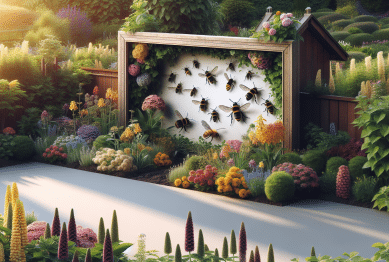
Explore the innovative world of sustainable indoor gardening and learn how anyone can nurture lush houseplants, grow vegetables, and create vibrant green spaces at home. This guide uncovers the essentials of lighting, soil, water management, and eco-friendly techniques for thriving plants year-round.

The Basics of Sustainable Indoor Gardening
Sustainable indoor gardening combines the beauty of houseplants and edible crops with eco-conscious practices. Whether someone is new to growing or passionate about sustainable living, the movement brings opportunities to create greener homes without causing harm to the environment. At its core, the foundation lies in minimizing waste, recycling resources, and favoring renewable inputs while producing vibrant growth indoors. This approach can unlock the benefits of clean indoor air, year-round harvests, and therapeutic activities, all inside a living space. Indoor gardening allows for small-scale food production or lush decorative arrangements that boost mood and air quality. Sustainable methods prioritize balance, creating a mini ecosystem that thrives naturally with minimal synthetic intervention.
Choosing the right space for an indoor garden is essential. It involves assessing light levels, humidity, and the specific needs of plants. South-facing windows usually deliver intense light, making them ideal for fruiting vegetables and sun-loving species. Shadier spots benefit plants adapted to lower light, such as ferns or snake plants. Plant placement helps optimize water use and reduce electricity reliance for grow lights. By simply understanding microclimates in the home, it’s possible to set the stage for success. This careful choice allows for grouping compatible plants, leading to better resource efficiency. Supporting sustainability means observing, adjusting, and allowing the environment to guide plant choices over time.
Equipment selection is another key step. Sustainable gardeners often repurpose containers, use biodegradable pots, and opt for organic soils. Avoiding peat-based mixes can significantly aid environmental stewardship, since peat extraction harms ecosystems. Many turn to compost-based mixes, coconut coir, or worm-castings as alternatives. Even watering systems can be upgraded with rainwater harvesting for the eco-minded. Reusing water from kitchens (if free of soaps or chemicals) provides another clever source. These choices not only reduce waste but foster resilient, healthy plants that contribute to a more eco-friendly household environment.
Light and Energy: Growing Plants Efficiently Indoors
Light is a main ingredient for indoor plants, powering growth and flowering. While natural sunlight is ideal, it’s not always available, especially in apartments or during winter months. Sustainable gardeners enhance access to daylight by strategically placing reflective surfaces near plants or using sheer curtains to diffuse excessive brightness. Energy efficiency starts with these small adaptations. When natural daylight is limited, energy-saving LED grow lights become a favored alternative. Modern options use less electricity and emit less heat, reducing their environmental footprint. With careful planning, a thriving indoor garden won’t lead to high energy bills or wasteful practices.
LED grow light technology has advanced dramatically, providing the spectral needs of various plant types while conserving energy. Full-spectrum bulbs closely mimic sunlight, supporting both leafy growth and flowering. Placing these lights on timers helps replicate natural day-night cycles and further reduces unnecessary consumption. For edible crops like herbs, tomatoes, or microgreens, consistent light is crucial, yet small tweaks can make a big impact on sustainability. Opting for timers, motion sensors, or solar-powered lighting can bring even more efficiency when designing an indoor gardening setup.
Eco-friendly lighting is only the start. Some gardeners make use of smart home technology to monitor energy use and automate watering, ensuring that resources are used only when truly needed. This technology-driven approach allows gardening enthusiasts to grow even sensitive or exotic species indoors with less impact on the grid. Adopting efficient grow lights, eco-conscious controls, and conscious daily habits helps foster healthy plants and reduce carbon emissions associated with indoor cultivation.
Soil, Fertilizers, and Water for Sustainable Growth
Healthy soil is the backbone of successful indoor gardening. Many turn to organic potting mixes that foster beneficial microorganisms while avoiding synthetic chemicals. Composting is increasingly popular, as it recycles kitchen scraps and garden waste into fertile humus, reducing landfill use. Worm bins—also known as vermicomposting—can live indoors, transforming scraps into nutrient-rich castings. This living soil supports robust root systems, requires less commercial fertilizer, and contributes to a closed-loop, sustainable system. The process also teaches valuable lessons about decomposition and cycles in nature, further enhancing a gardener’s connection to the environment.
Fertilizer choice greatly influences a garden’s sustainability. Organic options like kelp meal, fish emulsion, and compost tea supply nutrients without polluting waterways or harming soil life. Many gardeners make their own plant feeds from stinging nettles or banana peels, minimizing packaging and transportation emissions. If store-bought, selecting products labeled for safe indoor use, such as low-odor or organic-certified amendments, is important. Over-fertilizing is a common pitfall, often leading to pest issues or plant stress. Sustainable methods advocate small, frequent feedings and careful observation.
Water management is vital—both for plant success and resource conservation. Reusing kitchen water or capturing rainwater for irrigation cuts costs and prevents waste. Low-cost indoor drip systems or moisture-retaining mulches further optimize usage. Monitoring soil moisture with simple sensors or the finger test helps prevent overwatering, one of the leading causes of plant decline indoors. Alternative watering strategies like passive hydroponics or self-watering pots have also gained momentum in eco-conscious homes. All these steps help conserve water, reduce household demand, and keep plants thriving year-round.
Pest, Disease, and Indoor Air Quality Management
Pests can challenge any gardener, but non-toxic management is possible. The cornerstone of eco-friendly pest control is prevention. This includes using sterile tools, quarantining new plants, and regularly inspecting leaves for signs of aphids, mites, or fungus gnats. Hand removal is often sufficient, while insecticidal soap or neem oil can offer a gentle backup for more persistent infestations. Companion planting—such as pairing basil with tomatoes—can also naturally deter common indoor pests. Maintaining strong plant health through proper water, light, and soil choices makes plants less vulnerable in the first place.
Mold and fungal diseases are sometimes an issue in humid, indoor settings. Improving air circulation with small fans, regularly cleaning pot surfaces, and avoiding overcrowding are effective preventative tactics. Removing infected leaves at the first sign of trouble can halt disease spread early. Using natural anti-fungal sprays made from baking soda or diluted hydrogen peroxide can also help keep mildew at bay.
Indoor gardens don’t just grow plants—they can help clean the air too. Many houseplants, such as spider plants and peace lilies, have been studied for their air-purifying properties. These green additions can help filter volatile organic compounds and add humidity, creating a fresher, more comfortable living environment. Sustainable gardeners often prioritize varieties proven to benefit indoor air quality. Combining air-purifying plants with healthy practices around soil and water keeps homes and families healthier overall.
Popular Edible and Decorative Plants for Indoor Gardens
Houseplants offer a spectrum of choices for homes, from leafy greens to compact citrus trees. Sustainable indoor gardens often include herbs like basil, parsley, and mint, which thrive on kitchen windowsills. Microgreens, grown in small trays, deliver fast harvests and high nutritional value. Tomatoes, peppers, and even dwarf eggplants can produce fruit indoors if lighting is adequate. These crops support year-round food independence, reduce the need for store-bought produce, and introduce a sense of achievement from growing personal food.
Decorative plants are another focal point. From pothos and philodendrons that drape elegantly from shelves to resilient succulents requiring little water, there are options for every taste and skill level. Flowering varieties, such as African violets and peace lilies, offer colorful blooms and often serve dual purposes as air purifiers. Sustainability comes from plant selection, preferring locally propagated species or those adapted to indoor conditions, reducing the risk of plant loss and resource waste.
Combining edible and decorative varieties in one setup creates a visually stunning, multipurpose green space. Vertical gardens, hanging planters, or modular shelving can maximize growing capacity without taking up precious floor space. Adding water features or small aquaponics systems can further increase the diversity and resilience of the indoor ecosystem. These intelligent combinations make it possible to enjoy vibrant greenery and fresh food in even the smallest apartments or homes.
Making Your Indoor Garden Part of a Sustainable Lifestyle
True sustainability extends beyond the garden. It involves adopting mindful consumption patterns and integrating small changes into everyday routines. For many, indoor gardening serves as a daily reminder of ecological principles: reducing waste, conserving energy, and appreciating natural cycles. Sharing harvests with friends or neighbors, composting household scraps, or supporting local plant swaps fosters a culture of environmental stewardship.
Community plays a role in scaling up positive environmental impact. Joining local gardening groups, online forums, or sustainability workshops offers opportunities to exchange resources, seeds, and experience. This peer network can spark creativity and broaden access to rare or heritage plant varieties. Collective learning—from troubleshooting pests to designing efficient lighting setups—strengthens the entire indoor gardening movement.
The personal rewards of sustainable indoor gardening go far beyond harvests or décor. The process sharpens observational skills, brings moments of serenity, and builds tangible connections with nature in the heart of the home. At the same time, every eco-conscious decision, from saving water to recycling containers, ripples outward, contributing to a healthier planet. Indoor gardening, thoughtfully integrated, becomes a powerful tool for well-being and sustainability for individuals and larger communities alike.
References
1. United States Environmental Protection Agency. (n.d.). Indoor Air Quality Plants. Retrieved from https://www.epa.gov/indoor-air-quality-iaq/air-cleaning-plants
2. Royal Horticultural Society. (n.d.). Growing Houseplants Sustainably. Retrieved from https://www.rhs.org.uk/plants/types/houseplants/guides/growing-houseplants-sustainably
3. Energy.gov. (n.d.). LED Lighting. Retrieved from https://www.energy.gov/energysaver/led-lighting
4. Cornell University Cooperative Extension. (n.d.). Indoor Gardening. Retrieved from http://ccetompkins.org/gardening/indoor-gardening
5. University of Florida IFAS Extension. (n.d.). Edible Plants for Indoor Gardening. Retrieved from https://edis.ifas.ufl.edu/publication/ep488
6. National Gardening Association. (n.d.). Worm Composting Indoors. Retrieved from https://garden.org/learn/articles/view/1943/



 The Rise of Artificial Intelligence in Everyday News