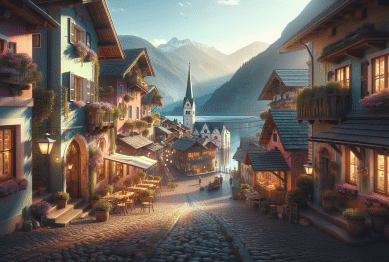
Many iconic destinations attract travelers, but some of the most rewarding discoveries lie off the beaten path. This guide explores captivating hidden gems scattered across Europe, offering practical insights for those searching for authenticity, unique experiences, and often lower travel costs.

Finding Authentic Charm Beyond Tourist Hotspots
European travel often evokes visions of Paris, Rome, or Barcelona, yet countless lesser-known destinations await discovery. Exploring these hidden gems can reward travelers with more authentic interactions, fewer crowds, and even unexpected cultural treasures. Traveling outside the most visited destinations often reveals a more traditional side of local life, from sun-drenched villages in southern France to lush remote valleys in Portugal. In places like Slovenia’s Lake Bohinj, centuries-old customs blend with stunning scenery. Whether you seek local gastronomy, historic architecture, or tranquil nature, hidden gems can provide an experience that feels uniquely personal. Choosing these spots may also help balance the economic impact of tourism, supporting smaller communities rather than intensifying pressure on already overwhelmed hotspots (https://www.economist.com/special-report/2019/04/27/how-tourism-is-reshaping-europe).
Breaking away from predictable travel itineraries can often lead to unexpected adventure and meaningful connection. Local festivals, family-run guesthouses, and neighborhood cafés offer something special for visitors who venture just a little further. Unlike mass-market tourist offerings, these destinations often feel more welcoming to outsiders, offering a slower pace of life and opportunities for genuine conversations. In areas like Northern Spain’s Asturias or Germany’s Harz Mountains, travelers may stumble upon unique crafts, distinctive dialects, and traditional cuisine. For many, the true essence of travel isn’t simply about iconic landmarks, but about the people and moments that stay in memory long after the trip ends. Seeking out hidden gems could result in more affordable accommodations and experiences as well, making it ideal for budget-conscious explorers.
Finding these places does require a bit of research and curiosity. Social media and travel platforms can help, but connecting with locals or seeking advice from smaller tourism offices often uncovers destinations that guidebooks might overlook. Sustainable tourism advocates also recommend looking into lesser-known towns if you wish to avoid overtourism, particularly during peak months when major cities can become crowded. The rewards can be immense: picturesque walking trails in the Italian Dolomites, colorful street art in Porto’s back alleys, or a vibrant village market in the Greek countryside. As more travelers share their hidden-gem experiences, it’s becoming easier than ever to craft a unique European adventure tailored to different interests and travel styles.
Budget-Friendly Strategies for European Exploration
Traveling across Europe doesn’t have to be expensive; knowing how to save makes a real difference. One effective strategy is to travel during shoulder or off-peak seasons, when prices for accommodation and flights tend to be lower and main attractions are less crowded. Flexible dates allow you to snag transport deals and take advantage of reduced entry fees at museums and cultural sites. Staying in towns just outside major cities, like Mestre near Venice or St. Albans outside London, can offer easier access to attractions while significantly cutting accommodation and dining costs. Public transportation in Europe is often reliable and far-reaching, connecting many hidden locations inexpensively and efficiently (https://www.rome2rio.com/).
Travelers seeking affordable experiences can opt for alternative lodging, such as local guesthouses, small hostels, or short-term apartment rentals. These options often come with kitchen access, giving explorers a chance to save by preparing meals with ingredients sourced from regional markets. Not only does this approach help cut expenses, but it also allows visitors to immerse themselves in daily local life – a memorable travel perk in itself. Budget airlines and long-distance buses provide cross-country access for those with flexible schedules, and rail passes or city cards frequently unlock free or discounted museum entry and public transport. Researching available discount options ahead of time can reveal notable savings for travelers of all backgrounds.
Small expenses such as entry fees, local taxes, or transportation costs can add up. Many cities offer free walking tours, municipal bike rentals, or public parks that provide hours of entertainment without extra spending. Seeking out local eateries away from tourist-heavy areas usually results in more authentic food at better prices, and gives a chance to chat with residents about their favorite hidden spots. Additionally, exploring rural towns or smaller cities typically means paying less for accommodations and dining than in major tourist centers. With a bit of research and adaptability, it becomes easy to stretch a travel budget while still having an enriching and enjoyable journey throughout Europe.
Unique Culinary Experiences and Local Markets
Culinary adventures are a highlight of European travel, especially in less-visited towns where regional traditions shape each meal. Visiting small markets and local bakeries – perhaps in a Czech or Slovak village – offers an easy way to engage with the culture and discover old-world recipes. From Basque pintxos to Sicilian cannoli, taste experiences differ widely by region but are always grounded in fresh, seasonal ingredients. Street food stalls in Budapest or food halls in Porto often introduce flavors that even seasoned travelers haven’t encountered before. Many vendors are eager to explain their specialities, sometimes even offering samples or inviting visitors to share stories. The opportunity to connect through food is one of travel’s deepest joys (https://www.eurofoodtrips.com/).
Regional festivals are another window into culinary tradition. In areas like South Tyrol or Galicia, seasonal events center around apples, wines, cheeses, or local seafood, making it easy to plan a trip around feast days. These festivals often include music, crafts, and stories told by residents about the origins of recipes and regional foods. Cooking classes or food tours, available in many local markets, give visitors a hands-on lesson in preparing beloved dishes. Such experiences leave a lasting impression, while recipes and cooking techniques gathered along the way can be shared with friends back home. Exploring these lesser-known culinary scenes offers both value and unforgettable authenticity.
Support for local economies is another reason to seek out hidden food destinations. Choosing independently owned eateries and markets helps sustain regional food traditions and keeps tourism revenue in the community. Travelers can look out for specialty food shops or cooperatives, which often highlight organic or heritage products unique to their area. Many towns hold farmers’ or artisanal markets several times a week, where stalls overflow with cheese, fruit, pastries, and regional delicacies like Hungarian pickles or Breton crêpes. Embracing local culinary spaces leads not only to economies of flavor, but also to a sense of belonging wherever travelers roam.
Exploring Nature and Outdoor Adventures
Europe’s lesser-known wilderness areas offer memorable outdoor experiences for active travelers. National parks in Finland or the Balkans boast dramatic landscapes that compare easily to more famous destinations, but usually host fewer visitors. In Romania’s Transylvania, ancient forests and unspoiled mountains invite hiking, birdwatching, and quiet contemplation. Some rural regions feature accessible trails suitable even for families or casual walkers. Cycling is another popular way to see the countryside, with marked routes winding through Slovenia, Austria, and France. Those searching for solitude often find more peace in these natural settings than in crowded national landmarks (https://www.europarc.org/nature/parc-list/).
In addition to hiking and biking, activities such as kayaking, horseback riding, and wild swimming are offered in many of Europe’s preserved natural spaces. Local guides and park rangers often organize sustainable adventures, teaching about native wildlife and traditional land management. Exploring nature preserves and lesser-known reserves also encourages appreciation for conservation, as entrance fees often go toward supporting ecosystem health and biodiversity. For those interested in photography or painting, the tranquil light and ever-changing scenery of mountain lakes or windy moors present endless inspiration. Packing essentials and researching seasonal weather are key to safe adventures in remote settings.
From Norway’s island fjords to volcanic valleys in the Canary Islands, each hidden landscape offers surprisingly diverse flora and fauna. Even short day trips from familiar cities can bring travelers into contact with vibrant wildflower meadows, dramatic gorges, or ancient woodlands. With growing awareness of ecological tourism, many rural communities provide resources for responsible exploration – including trail maps, wildlife guides, and eco-friendly accommodation. These efforts improve both visitor experiences and the long-term sustainability of natural treasures. For adventurous souls, the European outdoors remains a vast playground brimming with unspoiled wonder.
Understanding Responsible and Sustainable Tourism
Choosing sustainable travel practices is increasingly vital as European tourism grows. Supporting lesser-visited destinations reduces the strain on high-traffic sites and spreads economic benefits across more communities. Many small towns are investing in eco-friendly initiatives, such as renewable energy projects, waste management improvements, and preservation of historic sites. Travelers can look for accommodation with sustainability certifications, use refillable water bottles, and try to minimize waste by refusing single-use plastic. Conscious travel habits help maintain the very communities and environments that make these places special (https://www.greenyourtravel.com/destinations/europe).
Sustainable choices also involve respecting local customs, culture, and laws. Being mindful of dress codes, opening hours, and sensitive sites ensures positive exchanges. Engaging with local artisans, attending neighborhood events, or donating to conservation projects directly supports the community. Many travel organizations now emphasize the importance of “leaving no trace” and encourage visitors to walk or bike whenever possible. Lowering one’s carbon footprint through train travel or bus routes instead of planes further contributes to region-wide sustainability efforts. An intentional approach to travel guarantees that hidden gems remain vibrant for future visitors to enjoy.
Online resources and responsible tourism certifications make ethical travel planning easier than ever. Nonprofit initiatives and local councils frequently share up-to-date information on green lodging, volunteer opportunities, and cultural classes. Researching options beforehand can be both enriching and practical, ensuring time and money are spent in a way that preserves rather than erodes destinations. With growing demand for sustainability, responsible travel is evolving from niche to mainstream preference, signaling hope for the ongoing protection of Europe’s most captivating places.
Planning Your Own Unique European Adventure
Crafting a truly memorable trip means designing an itinerary tailored to personal interests, seasonal highlights, and spontaneous discovery. Start by considering what matters most – be it natural wonders, local cuisine, or cultural immersion – and then research regions where those elements shine. Flexible plans allow for last-minute adjustments based on weather, local advice, or newly discovered events. Even within well-known countries, hundreds of lesser-traveled towns and villages are waiting to be explored. Digital resources, travel blogs, and tourism boards can all help with route ideas and practical travel guides (https://www.lonelyplanet.com/things-to-do-in-europe-off-the-beaten-track).
Successful planning also means understanding transportation systems and local infrastructure. Mapping connections between rural regions, booking train or bus tickets early, and searching for community events beforehand will smooth your journey. Consider reaching out to local tourism offices for up-to-date recommendations and travel tips. Travel forums sometimes reveal recent changes – such as road work, temporary museum closures, or new outdoor festivals – that standard guides may omit. Combining advance research with a willingness to embrace the unexpected adds richness and flexibility to every adventure.
The thrill of uncovering new places, savoring regional foods, or learning a bit of a new language leaves lasting memories. Encourage curiosity, patience, and respect, and every journey can be transformed. By thinking beyond the familiar, focusing on hidden gems, and choosing sustainable options, travelers find rewards well beyond their initial expectations. This approach to travel encourages true exploration and creates stories that endure far beyond the final photograph.
References
1. The Economist. (2019). How tourism is reshaping Europe. Retrieved from https://www.economist.com/special-report/2019/04/27/how-tourism-is-reshaping-europe
2. Rome2Rio. (n.d.). Discover how to get anywhere. Retrieved from https://www.rome2rio.com/
3. EuroFoodTrips. (n.d.). European food adventures and culinary travel. Retrieved from https://www.eurofoodtrips.com/
4. EUROPARC Federation. (n.d.). Nature in Europe: Parks & protected areas map. Retrieved from https://www.europarc.org/nature/parc-list/
5. Green Your Travel. (n.d.). Responsible travel in Europe. Retrieved from https://www.greenyourtravel.com/destinations/europe
6. Lonely Planet. (n.d.). Things to do in Europe off the beaten track. Retrieved from https://www.lonelyplanet.com/things-to-do-in-europe-off-the-beaten-track



 Why You Might Love Exploring Offbeat European Cities