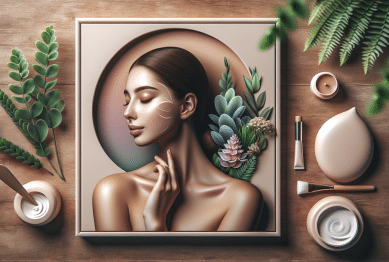
Curious about why collagen is suddenly everywhere in the world of wellness and beauty? Discover how integrating collagen into daily routines can impact skin, hair, nails, and more. This guide explores benefits, methods, myths, and supportive lifestyle choices that can help you reveal a healthier glow.

The Role of Collagen in Skin Health
Collagen makes up a significant portion of your skin’s structural matrix, acting much like scaffolding for firmness, elasticity, and hydration. While the term ‘collagen beauty’ seems trendy, the science goes deeper. As collagen levels decline with age, skin may appear less supple and fine lines can begin to form. Many individuals notice that changes in their skin’s plumpness are linked to these naturally occurring shifts—prompting a surge in curiosity about how to support collagen from within.
Studies show that topical creams with peptides and oral collagen supplements are popular choices. However, not all solutions are created equal. While creams may temporarily hydrate, more substantial support for collagen comes from diet and lifestyle. Foods rich in vitamin C, amino acids, and antioxidants work synergistically to help rebuild and protect your skin’s natural structure. Understanding how the body produces and breaks down collagen is central to making informed choices for skin wellness.
Environmental stressors—think pollution, sunlight, and smoke—can accelerate the loss of collagen. Sunscreen, hydration, and rich plant-based foods act as powerful allies in maintaining structural youthfulness. Small daily habits, such as gentle cleansing and moisturizing, protect the outer barrier. Over time, these choices influence your skin’s resilience, fortifying it against external damage and supporting that sought-after luminous appearance.
Understanding Collagen Supplements and Their Impact
Gummies, powders, and drinks: collagen supplements are marketed as quick fixes for beauty and wellness. But how effective are they really? Some scientific reviews report modest improvements in skin hydration and elasticity after consistent supplement use. Bioavailability matters—the form in which collagen is consumed can influence how well the body absorbs and utilizes it. Hydrolyzed collagen, found in most products, is broken down for easier digestion.
While promising, supplements are only one part of the equation. Real-world benefits often depend on overall nutritional status and genetics, making individual experiences unique. Experts recommend choosing supplements that are third-party tested to ensure purity. Consumers may also benefit from incorporating whole-food sources of protein and key micronutrients alongside supplements to maximize the potential influence on hair, skin, and nails.
Collagen supplement routines fit best as part of a broader wellness strategy. Without adequate sleep, movement, or balanced nutrition, isolated supplementation may provide only subtle changes. Beyond skin-deep effects, some research connects collagen with joint and bone health. Embracing a holistic approach fosters sustainable, healthy-looking skin while contributing to total well-being.
Myths and Facts About Collagen and Beauty
With so much buzz around collagen beauty, myths abound. Some believe that applying collagen creams will deliver dramatic, overnight results. Unfortunately, collagen molecules are too large to penetrate skin deeply—they sit on the surface, moisturizing but not truly transforming underlying tissue. Instead, experts point to consistent inner support through diet and supplementation as more effective strategies for sustaining the skin’s natural glow.
It’s easy to assume that more supplementation always means better outcomes. The body, however, has limits. Consuming excess collagen doesn’t automatically enhance results; the body will only use what it needs. Reading labels and understanding ingredient sources helps prevent unnecessary or ineffective intake. Bone broth, egg whites, and lean meats offer natural alternatives for those hesitant about processed powders and capsules.
Research remains ongoing in the field of ingestible beauty. Some studies suggest visible improvement after 4-12 weeks of daily collagen intake, but variables like hydration, sun care, and genetics also come into play. While collagen is a valuable player, no single ingredient can replace the foundation of good lifestyle habits—balanced nutrition, restorative sleep, and regular exercise remain non-negotiable for wellness and appearance.
Lifestyle Choices That Support Natural Collagen Production
Supporting the body’s own ability to create collagen starts with food. Vitamin C-rich fruits like oranges, kiwi, and strawberries promote natural collagen synthesis, as do zinc- and copper-containing nuts and seeds. Leafy greens, tomatoes, and bell peppers have nourishing antioxidants that guard against environmental assaults. Hydration, often overlooked, ensures skin stays plump and resilient—water is essential for almost every metabolic process in the body.
Beyond nutrition, stress management can play a surprising role. Chronic tension has been shown to compromise skin’s elasticity and appearance, indirectly impacting collagen integrity. Regular physical activity delivers oxygen and nutrients to skin tissues, promoting renewal and healthy blood flow. Restful sleep is another unsung hero. During deep stages of sleep, the body performs critical repair work—including replenishing depleted collagen stores.
Finally, limiting exposure to excessive sun, alcohol, and smoking is key. Ultraviolet (UV) rays are major culprits behind collagen breakdown. Protective clothing, broad-spectrum sunscreen, and a habit of seeking shade preserve existing reserves. Moderation in alcohol and tobacco protects both the skin’s outward beauty and the underlying building blocks required for real, long-lasting radiance.
Collagen’s Broader Effects: Hair, Nails, and Joints
Collagen is not confined to skin alone. This versatile protein is also a crucial component of hair and nails. Many people notice increased brittleness or thinning as collagen decreases with age. While external serums and varnishes may provide superficial shine, real strength develops from within. Amino acids provided by dietary collagen serve as the raw material for both keratin and connective tissue, supporting glossy hair and tough, flexible nails.
Individuals with active lifestyles may hear about collagen’s purported benefits for joint comfort and mobility. Although research is still evolving, some studies signal that consistent supplementation can help maintain healthy cartilage and minimize exercise-related discomfort. Collagen peptides work synergistically with other nutrients to cushion joints and possibly enhance mobility, particularly in older adults or those managing recurrent stiffness.
Finally, collagen’s influence extends to the gut and even bones. The protein strengthens tissue linings in the digestive system, adding resilience to gut health. It plays a supportive role in bone density, which is vital for long-term wellness and aging. Holistic appreciation for collagen means recognizing that its value goes beyond beauty alone—touching nearly every system in the body and making it a foundational element of modern self-care routines.
Building a Realistic Collagen Wellness Routine
What does a practical collagen-centric beauty strategy involve? Rather than focusing on one solution, variety helps. Start with a colorful, antioxidant-rich diet filled with protein sources such as fish, poultry, beans, or lentils. Consistent hydration and rest provide the body with tools to recover, regenerate, and glow from within. Supplementation, if chosen, should be reputable and integrated into existing routines, rather than replacing balanced meals.
Track progress patiently. Visible results, whether for smoother skin or stronger hair, may take several weeks or months to emerge. Simple mindfulness habits, such as daily gratitude or meditation, can reduce stress’s impact on your skin and collagen reserves. Documenting small changes helps maintain motivation and ensures that efforts remain aligned with real wellness, not perfectionism.
Access credible information. Consulting professionals or reading resources from dermatologists and nutrition experts leads to smarter, healthier choices. As wellness trends evolve, it becomes clear that collagen is just one piece of the puzzle. Ultimately, the benefits are most sustainable when combined with habits proven to support body, mind, and natural beauty for the long term.
References
1. National Institutes of Health. (n.d.). Collagen: What is it and what are its uses? Retrieved from https://ods.od.nih.gov/factsheets/Collagen-Consumer/
2. Harvard Health Publishing. (n.d.). Collagen supplements: Do they work? Retrieved from https://www.health.harvard.edu/staying-healthy/collagen-supplements-are-they-beneficial
3. Cleveland Clinic. (n.d.). Collagen and health. Retrieved from https://health.clevelandclinic.org/collagen/
4. American Academy of Dermatology Association. (n.d.). Collagen in skin care: How it works. Retrieved from https://www.aad.org/public/everyday-care/skin-care-basics/care/collagen-in-skin-care
5. Mayo Clinic. (n.d.). Collagen: Benefits and myths. Retrieved from https://www.mayoclinic.org/healthy-lifestyle/nutrition-and-healthy-eating/expert-answers/collagen-supplements/faq-20419274
6. Academy of Nutrition and Dietetics. (n.d.). Collagen and your health. Retrieved from https://www.eatright.org/health/wellness/preventing-illness/collagen-and-your-health





 Does Online Learning Really Change How You Succeed