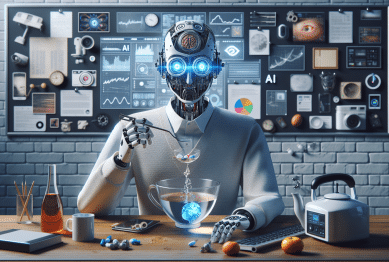
Artificial intelligence is rapidly transforming the way everyday technology operates, from voice assistants to security systems. Discover how smart algorithms and machine learning are already working behind the scenes—and what to expect in the future. This guide covers the integration of AI in daily routines and its incredible potential.

Understanding Artificial Intelligence and Its Core Functions
Artificial intelligence, often called AI, powers many devices and applications used every day. It involves algorithms that allow machines to mimic certain human cognitive functions such as learning, reasoning, and problem-solving. You might not always realize it, but AI is embedded in everything from your phone’s voice commands to personalized recommendations on streaming platforms. The growth of AI technologies has made it possible for everyday items to behave more intelligently, supporting tasks and routines with minimal user input.
AI utilizes machine learning, where computer systems learn from data patterns without needing explicit programming for every possible scenario. For example, speech recognition systems improve over time as they ‘hear’ more voices and accents. These patterns are used to enhance the user experience, making interactions smoother and more intuitive. In this way, AI’s flexibility adapts to various preferences in technology use, seamlessly blending into daily routines and tasks. Machine learning isn’t just for big tech companies—it’s accessible to app developers everywhere.
In addition to machine learning, artificial intelligence encompasses deep learning and natural language processing, both of which significantly impact contemporary technology. Deep learning, relying on layered networks of algorithms, is used for tasks such as facial recognition and fraud detection. Natural language processing enables machines to understand human language and carry on realistic conversations. The combination of these technologies represents a leap toward intelligent systems that anticipate needs, thus improving productivity and convenience day to day.
Where You Are Already Using Artificial Intelligence
Many users interact with AI-driven technologies daily, sometimes unknowingly. Smartphone assistants, like those found on popular devices, harness machine learning algorithms to answer questions, schedule reminders, or translate text. AI also underpins mobile photo sorting, detecting faces and organizing images into albums automatically. The presence of artificial intelligence in entertainment is equally significant—streaming services use AI to analyze your viewing history and suggest new content that matches individual tastes.
Smart home technology is another demonstration of how AI has become integrated into everyday life. Devices such as thermostats, speakers, and lights increasingly adapt to routines and can be controlled by voice or simple app interfaces. This adaptability comes from algorithms that study habits over time and make automatic adjustments for comfort and energy efficiency. Security systems use AI to distinguish between normal activity and potential threats, sending real-time alerts when something unusual is detected. It’s a shift toward homes that ‘think’ for themselves, improving effectiveness and reducing manual intervention.
Transportation is being reshaped by the same trends, with artificial intelligence playing an essential role in navigation apps, traffic prediction, and ride-sharing platforms. By gathering real-time data from millions of users, these services optimize routes to save time and fuel. In some regions, early versions of automated vehicles, operating with the support of AI, are being tested and, in limited instances, rolled out for public use. Each journey leverages vast networks of information to ensure the safest, most efficient travel possible. AI’s reach in daily transport is only set to grow as capabilities advance.
The Hidden Impact of AI on Healthcare and Wellness
Behind the scenes, artificial intelligence is revolutionizing fields such as healthcare and wellness. Medical diagnostic tools now harness AI to predict disease risk, analyze imaging scans, and recommend therapies by evaluating massive data sets and comparing symptoms. For consumers, wearable devices use algorithms to track physical activity, sleep, and heart rate trends, providing insights that were previously only available in clinical settings. These applications inform decisions about healthier living with minimal user effort.
Artificial intelligence supports telemedicine and virtual health consultations, interpreting patient messages and prioritizing those in need of urgent help. Chatbots, enabled by natural language processing, help answer basic health questions or assist in appointment scheduling. Personalized recommendations, whether for nutrition, exercise, or medication reminders, are increasingly driven by AI, based on collected data and user feedback. This integration has the potential to reduce some burdens on healthcare staff while empowering individuals to monitor their own well-being at home.
AI’s involvement in public health extends to tracking disease outbreaks, modeling spread, and helping authorities respond efficiently. Mathematical models, made possible by advanced computational techniques, process data in real time and produce actionable insights. Such systems do not replace physicians, but their ability to detect trends and anomalies supports faster, better-informed decisions. As AI tools become more prevalent, they raise important questions about data privacy and ethical responsibility—a topic that will continue to attract debate and careful oversight in the future.
AI’s Role in Education and Online Learning
Education has entered a transformative phase thanks largely to artificial intelligence. Personalized learning platforms now adapt lesson plans and quizzes to individual progress, providing remedial support or advanced challenges as needed. Students benefit from these systems through targeted practice and continually adjusted feedback, which keeps them on track toward mastery. The promise of AI in education is not limited to students—teachers, too, use data insights to identify learning gaps and adjust instruction accordingly.
Automated grading tools and plagiarism detection are becoming more common, saving time while enhancing academic integrity. Language-learning apps powered by AI offer tailored exercises, instant corrections, and conversational practice, fostering improved fluency. Online courses use recommendation engines to suggest next steps or supplementary resources, much as video streaming services suggest movies. As classrooms become increasingly digital, these intelligent systems provide support for different learning styles and paces—important in both traditional and distance learning environments.
Outside the classroom, AI-driven mentoring platforms connect learners with experts, create custom study roadmaps, and offer support for career planning. The technology democratizes access to high-quality learning, breaking down barriers posed by location or resource limitations. Some universities and educational organizations now collaborate to build shared data sets and algorithms, hoping to promote fairness and academic achievement. As AI becomes further embedded in education, its potential to reshape how people acquire knowledge is just beginning to be realized.
Artificial Intelligence Fuels Innovation in Work and Business
AI is a catalyst for innovation across industries, streamlining processes and opening doors to new possibilities. In workplaces, machine learning algorithms can automate repetitive tasks, allowing employees to focus on more complex, creative, or strategic challenges. AI-powered analytics evaluate mountains of data for patterns, optimizing supply chains, boosting marketing effectiveness, and forecasting trends. Even recruitment processes have evolved, with intelligent algorithms sorting applications to help companies find suitable candidates based on experience and qualifications.
Customer support is another area of significant transformation. AI chatbots handle inquiries around the clock, providing quick, consistent answers to common questions, and freeing up human agents for more specialized tasks. Sales teams use predictive analytics to tailor outreach, identifying the most promising leads or timing follow-ups for maximum impact. The overall efficiency gains help businesses remain competitive, resilient, and adaptive to fast-moving market demands—and these trends are expected to accelerate as digital transformation continues.
Innovative startups and established enterprises alike are finding ways to integrate AI into their core products and services. For example, AI-powered image analysis is used in insurance to speed up claims processing. Financial platforms analyze spending patterns to suggest smarter ways to save or invest. As organizations discover more use cases, the technology becomes central to strategy, growth, and customer satisfaction. AI isn’t just a technical upgrade—it’s a shift in how businesses operate and succeed.
Emerging Trends and Challenges for AI Integration
With the rapid expansion of artificial intelligence, new trends and challenges are emerging. Edge computing, which processes data closer to its source rather than relying solely on the cloud, is making AI applications faster and more secure. This development is particularly important for real-time tasks, such as self-driving cars or industrial robots, which cannot afford delays in data analysis. Responsible AI and ethical frameworks are also getting renewed attention, focusing on transparency, fairness, and accountability in algorithmic decision-making.
Security and privacy are major concerns as more daily activities and sensitive information pass through AI-powered systems. Developers must ensure that user data remains protected while algorithms continue to learn and adapt. Regulatory bodies and advocacy groups are pushing for clear standards—encouraging a balance between innovation and public trust. Debate continues about how to audit and explain AI-based decisions, especially in areas that impact people’s lives, such as lending, hiring, or medical treatment recommendations.
Despite challenges, the evolution of artificial intelligence holds immense promise for creative problem-solving, economic growth, and improved quality of life. Collaboration between industry, academia, and policymakers will shape the trajectory of AI integration. As research advances and real-world tests accumulate, expect to see artificial intelligence become ever more intertwined with the routines and choices of daily living. Those keeping an eye on these trends will see new opportunities unfolding all around.
References
1. U.S. Department of Energy. (n.d.). Artificial Intelligence. Retrieved from https://www.energy.gov/science/doe-explain/artificial-intelligence
2. Stanford University. (n.d.). Artificial Intelligence Index Report. Retrieved from https://aiindex.stanford.edu/report/
3. National Institute of Standards and Technology. (n.d.). AI Risk Management Framework. Retrieved from https://www.nist.gov/itl/ai-risk-management-framework
4. Mayo Clinic. (n.d.). Artificial Intelligence in Health Care. Retrieved from https://www.mayoclinic.org/about-mayo-clinic/office-business-development/ai-innovation
5. Brookings Institution. (n.d.). The Future of Work in the Age of AI. Retrieved from https://www.brookings.edu/research/the-future-of-work-in-the-age-of-ai/
6. EDUCAUSE. (n.d.). Artificial Intelligence in Education. Retrieved from https://library.educause.edu/topics/teaching-and-learning/artificial-intelligence-in-education




 Secrets to Sustainable Indoor Gardening Success